Scripture doesn’t give us all the details we’d like to know about church and state. For example, St. Paul said we must obey civil government since it’s ordained of God, operating as his agent of justice to punish wrong (Romans 13).
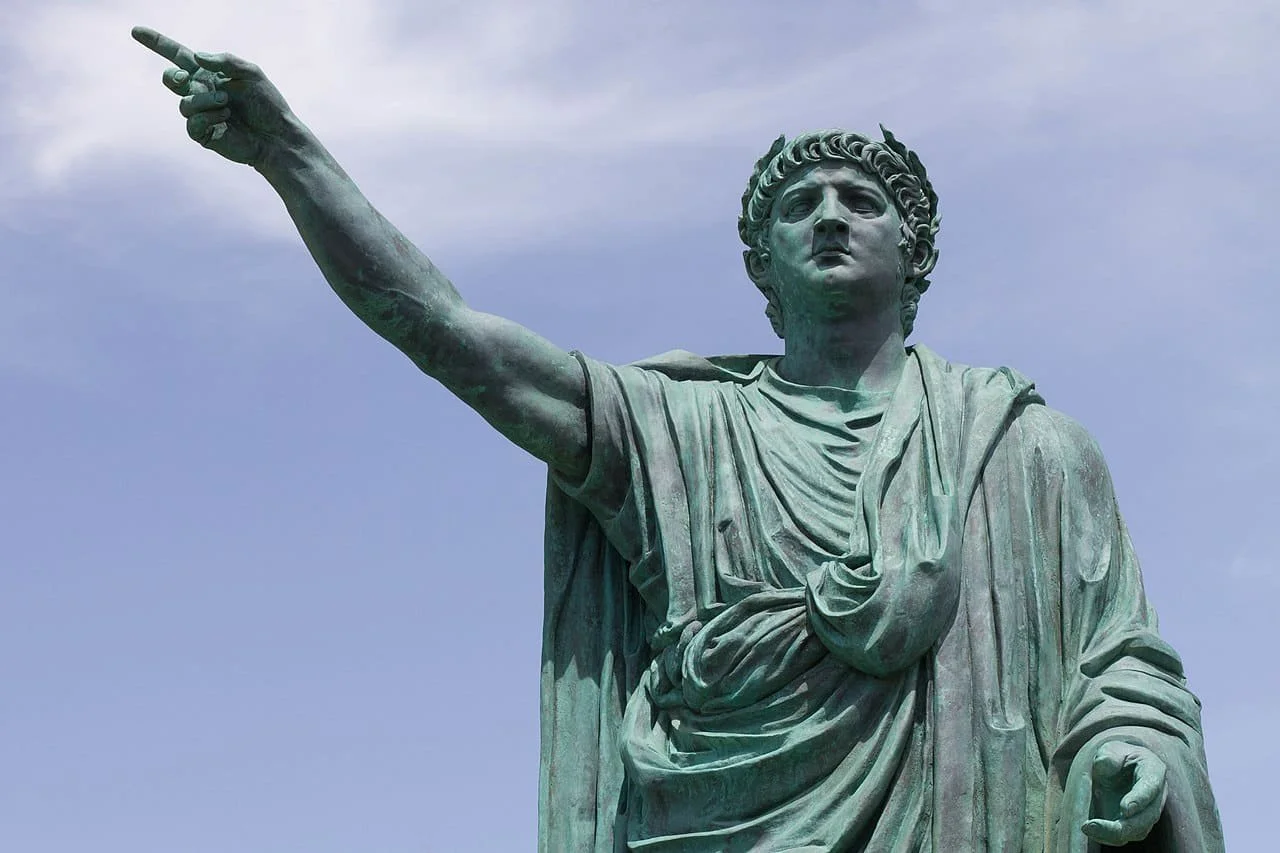
This is especially problematic since we believe Nero ruled Rome at the time.
Nero was a vile man, sexually deviant and a murderer. He had his own mother and a wife murdered and assaulted a second wife so violently that she miscarried his child and died herself. He also began the first widespread persecution of the church.
Was this man ordained of God?
The late Presbyterian pastor and writer John McArthur took Paul’s text quite literally when he declared, “The American Revolution was an act of sinful rebellion against God‑ordained authority” (though he was quick to add that God blessed America regardless).
The American patriots took a different tact. They argued that rather than punishing evil, King George was promulgating evil. The Declaration of Independence is actually 27 complaints against the British crown for intolerable acts, and the proposition that “when government becomes destructive of these ends, it is the right of the people to alter or abolish it.”
Interestingly, Jefferson penned a 28th complaint. He wrote the British were “waging cruel war against human nature itself by allowing the capture and enslavement of Africans and blocking every colonial attempt to restrict or end the slave trade.”
The Continental Congress excised this paragraph (Jefferson called it “mutilation”) reasoning that several Southern colonies would oppose it since they were slave-holders, and several Northern colonies would oppose it since they profited from the slave trade. Congress needed unity among the 13 colonies as they envisioned war with England.
Jefferson is blasted by modern Americans for being a slave-holder, but he seemed to realize that if “all men are created equal,” the slave trade must end. The Thirteenth Amendment eventually did so and was the first of several steps toward equality.
The principle of obedience to civil authority is yet debated with various opinions.
Fortunately, Americans live in a democracy and have rights guaranteed in the First Amendment including freedom of speech and the right to peacefully assemble and petition the government for change.
I posted a picture on social media after meeting an elected official. A friend responded, “Not a fan.” OK, I thought. You can vote for someone else. Neither Paul nor Jesus ever had this right, but we Americans do.
Another responsibility of citizen Christians is unquestioned—we pray for all those in authority over us. We pray not just for those we support, but we pray for all.
We sin against God if we fail to do so.